
Your shopping cart is empty!
Introduction to Sleep Apnea
Introduction to Sleep Apnea
What is Sleep Apnea?
Sleep Apnea refers to cessation of breathing during sleep. In Hong Kong, an estimated 300,000 people (which is 5% of the population) suffer from this disease. The word “apnea” is derived from Greek, which means “without breath”. A person with sleep apnea stops breathing repeatedly while sleeping, anywhere from 10 seconds to sometimes over a minute. For mild cases, the above event occurs five times per hour while for some severe cases, it may occur up to 10 times. Due to inadequate oxygen supply, the brain and other organs may lack oxygen and some individuals may wake up during sleep. Although an individual may not recall waking up, sleep is disrupted temporarily. As a result, sleep deprivation and excessive daytime sleepiness occur. Without sufficient q uality sleep, excessive daytime fatigue will happen and interfere with daytime tasks such as work, school and social interactions. People who have to operate heavy machineries or drive vehicles will be at risk of having serious accidents.
|
Types of Sleep Apnea
|
|
|
There are three types of sleep apnea: obstructive, central and mixed. |
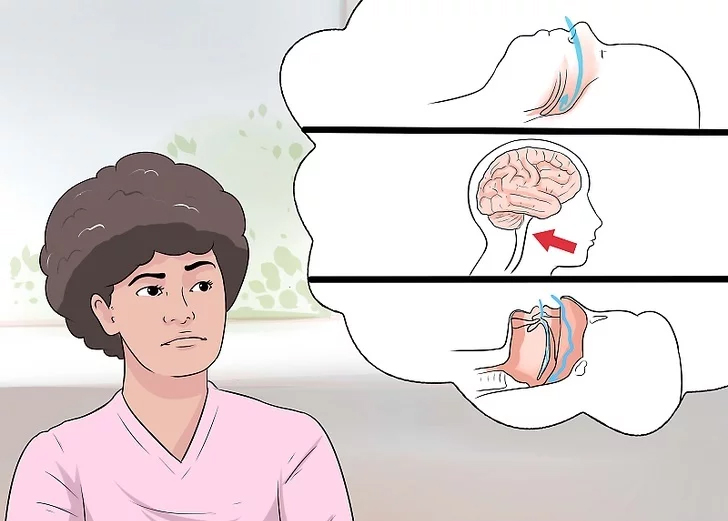

Symptoms of Sleep Apnea
- Loud constant snoring or cessation of breath during sleep
- Excessive daytime fatigue
- Morning headaches
- Difficult to concentrate
- Deteriorated memory
- Reduced libido
- High blood pressure
- A dry mouth upon awakening
- Frequent nocturnal urination (nocturia)
High Risk Group
If you are suffering from cardiopulmonary problems, severe rhinitis, obesity, irregular thyroid gland excretion or having short chin and large tonsil (more common for children), be cautious and check whether you have symptoms of sleep apnea.
What are its consequences
Sleep apnea increases the risk of cardiovascular disease, leading to heart failure, heart attack and stroke. For individuals whose age are above 60, they may suffer from hypertension as well. Besides, sufferers of severe sleep apnea are two to three times more likely to be involved in auto accidents than the general population, mainly due to falling asleep while driving.